
Electrical problems rarely happen at a convenient time. A sudden power trip, sparking socket, burning smell, exposed wiring, or unexpected loss of power can quickly become more than just an inconvenience.
In situations like these, you may need an emergency electrician who can assess the problem and carry out the necessary electrical repairs safely.
But how do you know whether an electrical issue is an emergency? What should you do before an electrician arrives? And when is it better to stop troubleshooting and seek professional help?
This guide explains when to call an emergency electrician in Singapore, what to do during an electrical emergency, and what to consider when choosing an electrical repair service.
What Is an Emergency Electrician?
An emergency electrician is an electrical professional who handles urgent electrical problems that require prompt attention, rather than planned electrical work such as routine installations or renovations.
Examples can include a sudden recurring power trip, damaged electrical wiring, sparking sockets, electrical faults, or other situations where continuing to use the affected electrical installation could create a safety concern.
In Singapore, electrical work at consumer premises should be carried out or supervised by an EMA-licensed electrical worker (LEW).
This includes electrical installation repair, modification, wiring work, and replacement of components such as circuit breakers.
When Do You Need an Emergency Electrician?
Not every electrical problem requires an immediate call-out.
However, certain warning signs should not be ignored, particularly when the issue involves sparks, burning smells, exposed wiring, water, or repeated electrical trips.
Here are some situations where professional electrical assistance may be appropriate.
1. Your Power Keeps Tripping
A power trip can happen when a protective device responds to an electrical problem such as an overloaded circuit, current leakage, faulty appliance, or wiring issue.
If the breaker or RCCB repeatedly trips after the power is restored, simply resetting it again and again does not address the underlying problem.
A recurring power trip should be investigated by an appropriately licensed electrical professional.
Related article: Power Trip in Singapore: Causes, What to Do & When to Call an Electrician
2. You See Sparks From a Socket or Switch
Sparks from an electrical socket, switch, or other electrical point can indicate a fault that requires attention.
Do not continue using a socket that is visibly damaged or producing unusual sparks. If there is an immediate safety concern, keep people away from the affected area and seek professional assistance.
Electrical work should not be attempted as a DIY repair. EMA requires electrical works such as repair or replacement of electrical installation components to be carried out or supervised by an appropriately licensed electrical worker.
3. You Notice a Burning Smell
A persistent burning or unusual electrical smell should not be dismissed.
It may be associated with overheating electrical components, damaged wiring, overloaded power points, or a faulty appliance.
Overloaded power points can overheat and create a fire risk, which is why EMA advises against connecting multiple plugs to one socket using double adaptors or similar arrangements.
If you notice a burning smell near an electrical point, switch, socket, or appliance, stop using the affected equipment if it is safe to do so and arrange for professional assessment.
4. You Have Exposed or Damaged Wiring

Exposed wires can pose a serious electrical hazard, particularly if they are accessible to children, pets, or other people in the property.
Damaged wiring can also result from wear and tear, renovation work, accidental damage, or ageing electrical installations.
Do not attempt to tape, reconnect, or otherwise repair exposed electrical wiring yourself. Electrical wiring repairs and modifications should be handled by a licensed electrical worker.
5. A Socket or Switch Feels Unusually Hot
Electrical switches and sockets should not become unusually hot during normal use.
If you notice excessive heat, discolouration, scorch marks, melting, or an unusual smell around an electrical point, stop using it and arrange for professional inspection.
The underlying issue could involve the socket itself, its wiring, a connected appliance, or excessive electrical load.
6. Water Has Come Into Contact With Electrical Equipment
Water and electricity are a dangerous combination.
If an electrical socket, appliance, switch, or wiring has been exposed to water, do not touch it with wet hands or attempt to investigate the problem yourself.
EMA specifically advises consumers not to use electrical appliances near water or touch an open electrical outlet or switch with wet hands.
For flooding or significant water exposure, keep away from the affected electrical area and seek appropriate professional assistance.
7. Your Circuit Breaker Keeps Tripping
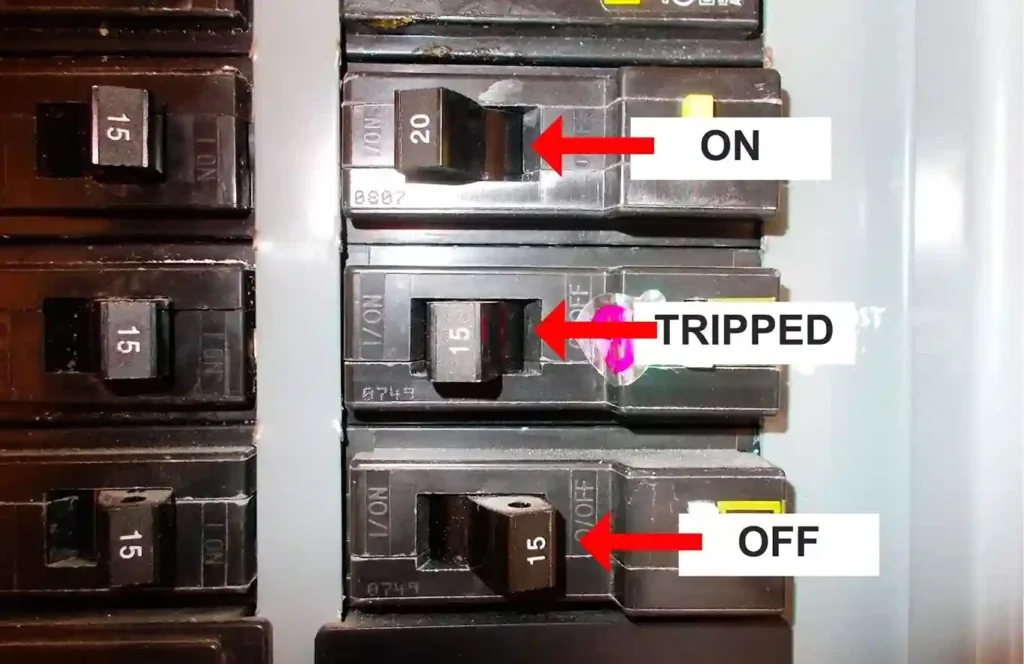
A circuit breaker that repeatedly trips can indicate an electrical fault that needs investigation.
Possible causes can include an overloaded circuit, faulty appliance, wiring issue, or another problem within the electrical installation.
Repair or replacement of consumer control units and circuit breakers as electrical work that should be carried out by an appropriately licensed electrical worker.
Related Article: 3 Reasons Your HDB DB Box Tripping Causes Danger (And How to Fix It)
8. You Suddenly Lose Power Only in Part of Your Property
If only certain rooms, sockets, or circuits lose electricity while other parts of the property remain powered, the issue may be local to a particular circuit or electrical installation.
Before assuming that the entire area is experiencing a blackout, check whether neighbouring units or common areas have also lost power.
If the problem appears to be limited to your property and you cannot identify a simple cause, an electrician can assess the electrical installation and determine what is causing the interruption.
What Should You Do During an Electrical Emergency?
When an electrical problem happens suddenly, your first priority should be safety rather than trying to restore the electricity as quickly as possible.
Trying to identify or repair the fault yourself can expose you to electric shock, fire, or further damage to the electrical system.
Instead, take simple precautions to isolate yourself from the potential hazard and arrange for professional help when necessary.
1. Stop Using the Affected Electrical Equipment

If you know which appliance, socket, switch, or electrical point is causing the problem, stop using it immediately if you can do so safely.
For example, if a particular appliance causes a power trip every time you switch it on, leave the appliance switched off rather than repeatedly trying to use it.
Do not continue switching the equipment on and off to see whether the problem disappears, as this could worsen an existing electrical fault.
If you notice sparks, smoke, a burning smell, or visible damage, keep away from the equipment and arrange for professional electrical inspection.
2. Keep Away From Water
Water near electrical equipment can significantly increase the risk of electric shock, so avoid touching electrical appliances, sockets, switches, or wiring when your hands are wet.
If there is water leaking or flooding near an electrical point, do not step into the affected area to investigate the problem.
Keep children, pets, and other people away from the area until it has been assessed safely.
3. Do Not Attempt Electrical Repairs Yourself
It may be tempting to open a socket, reconnect a loose wire, replace a circuit breaker, or investigate the inside of your distribution board when an electrical problem occurs.
However, electrical faults are not always visible, and attempting a repair without the appropriate knowledge and equipment can create additional safety risks.
In Singapore, electrical installation work such as repair, modification, rewiring, and replacement of electrical components should be carried out or supervised by an appropriately licensed electrical worker.
4. Do Not Repeatedly Reset a Tripped Breaker
If your power trips, you may be able to identify a tripped breaker or RCCB in your distribution board.
However, if the breaker immediately trips again after being reset, avoid repeatedly switching it back on.
Frequent or immediate tripping can indicate an underlying problem such as a faulty appliance, overloaded circuit, electrical leakage, or damaged wiring. Instead of repeatedly resetting the breaker, have the electrical system assessed by a qualified professional to determine why the trip is occurring.
5. Contact the Appropriate Professional
If the problem involves electrical wiring, sockets, switches, circuit breakers, or other parts of your property’s electrical installation, arrange for an appropriately licensed electrical professional to assess the issue.
Explain what happened, including whether you noticed sparks, unusual smells, repeated power trips, water exposure, or other warning signs, as this can help the electrician understand the situation.
Avoid attempting further troubleshooting if there is visible damage or an immediate safety concern.
6. Call Emergency Services if There Is an Active Fire
An electrician should not be treated as a substitute for emergency services when there is an active fire or immediate danger to life.
If an electrical fault has caused a fire that cannot be safely extinguished, move to a safe location and call 995 for Singapore Civil Defence Force (SCDF) emergency assistance.
Do not put yourself at risk by attempting to investigate the electrical source or fight a fire that is spreading.
Once the immediate emergency has been handled, a qualified electrical professional can assess the electrical installation and determine whether repairs are required.
Common Electrical Emergencies in Singapore
Electrical emergencies can take different forms depending on the property and electrical installation. Common problems include:
- Power trips
- Repeated circuit breaker trips
- Faulty electrical sockets
- Sparking switches or outlets
- Damaged wiring
- Electrical faults
- Burning smells from electrical points
- Overheated sockets
- Sudden loss of power
- Electrical problems following water exposure
- Faulty electrical components
Some of these issues may appear minor at first but can become more serious if the underlying cause is not addressed.
Related Article: Electrical Works in Singapore – Safe, Fast & Affordable Solutions
Contact 24/7 Emergency Electrician in Singapore
Electrical emergencies can happen at any time, including late at night, weekends, or public holidays.
Whether you’re dealing with a sudden power trip, faulty socket, damaged wiring, or another urgent electrical issue, SHS Handyman provides 24/7 emergency electrical services in Singapore, including public holidays.
Our EMA-licensed and experienced electricians offer fast response, with emergency arrival estimated at around 30 minutes, depending on location and traffic conditions.
Need an electrician now? Contact us or send a Whatsapp, our team will reach you out promptly.
Frequently Asked Questions About Emergency Electricians
What is an emergency electrician?
An emergency electrician provides electrical assistance for urgent problems that require prompt assessment or repair, such as recurring power trips, damaged wiring, faulty sockets, or other electrical faults. “Emergency electrician” describes the urgency of the service rather than a separate EMA licence category.
When should I call an emergency electrician?
Consider contacting an electrical professional when you experience recurring power trips, sparks, burning smells, exposed wiring, damaged sockets, overheating electrical points, or other electrical faults that cannot be safely resolved.
Is a power trip an electrical emergency?
A single power trip does not necessarily mean there is an emergency. However, if the power keeps tripping, the breaker trips immediately after being reset, or there are other warning signs such as burning smells, sparks, or damaged wiring, professional electrical assessment is advisable.
Can I fix an electrical problem myself?
Simple non-electrical troubleshooting may be possible in some situations, but electrical installation repair, modification, wiring work, and replacement of electrical components should be carried out or supervised by an appropriately licensed electrical worker in Singapore.
How can I verify an electrician’s licence in Singapore?
EMA provides the ELISE online directory for searching and verifying Licensed Electrical Workers. Consumers can check that the person they intend to engage has a valid electrical worker licence.
What should I do if an electrical problem causes a fire?
If there is an active fire and you cannot safely extinguish it, evacuate and call 995 for SCDF emergency assistance. Do not put yourself at risk attempting to handle an electrical fire.